Posts

Mycotoxin Binders vs Mycotoxin Adsorbents: What's the Difference?
Image
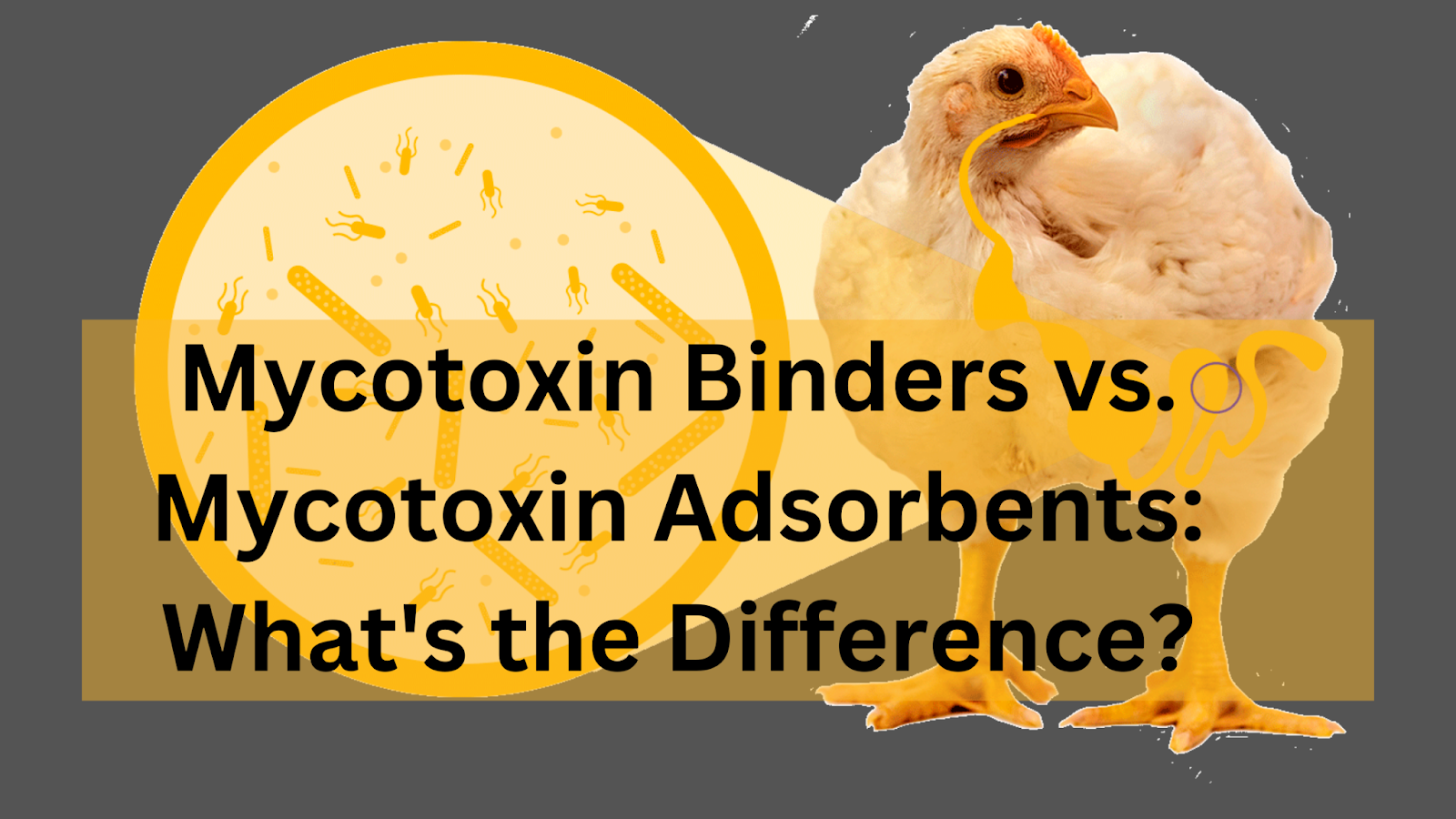
In the realm of poultry farming, maintaining the health and productivity of birds is paramount. One of the significant challenges poultry farmers face is mycotoxin contamination in feed.  Mycotoxins, toxic compounds produced by fungi, can severely impact the health and performance of poultry birds. To mitigate these adverse effects, mycotoxin binders and mycotoxin adsorbents are commonly used.  But what exactly are these products, and how do they differ? This article explores the differences between mycotoxin binders for poultry birds and mycotoxin adsorbents, helping you make an informed decision for your poultry nutrition strategy. Understanding Mycotoxins and Their Impact Mycotoxins are toxic secondary metabolites produced by mold species such as Aspergillus, Fusarium, and Penicillium. These toxins can contaminate various feed ingredients during crop production, harvest, and storage, posing a significant threat to poultry health. Common mycotoxins affecting poultry birds i...
How Important is Veterinary for Poultry Production?

Image
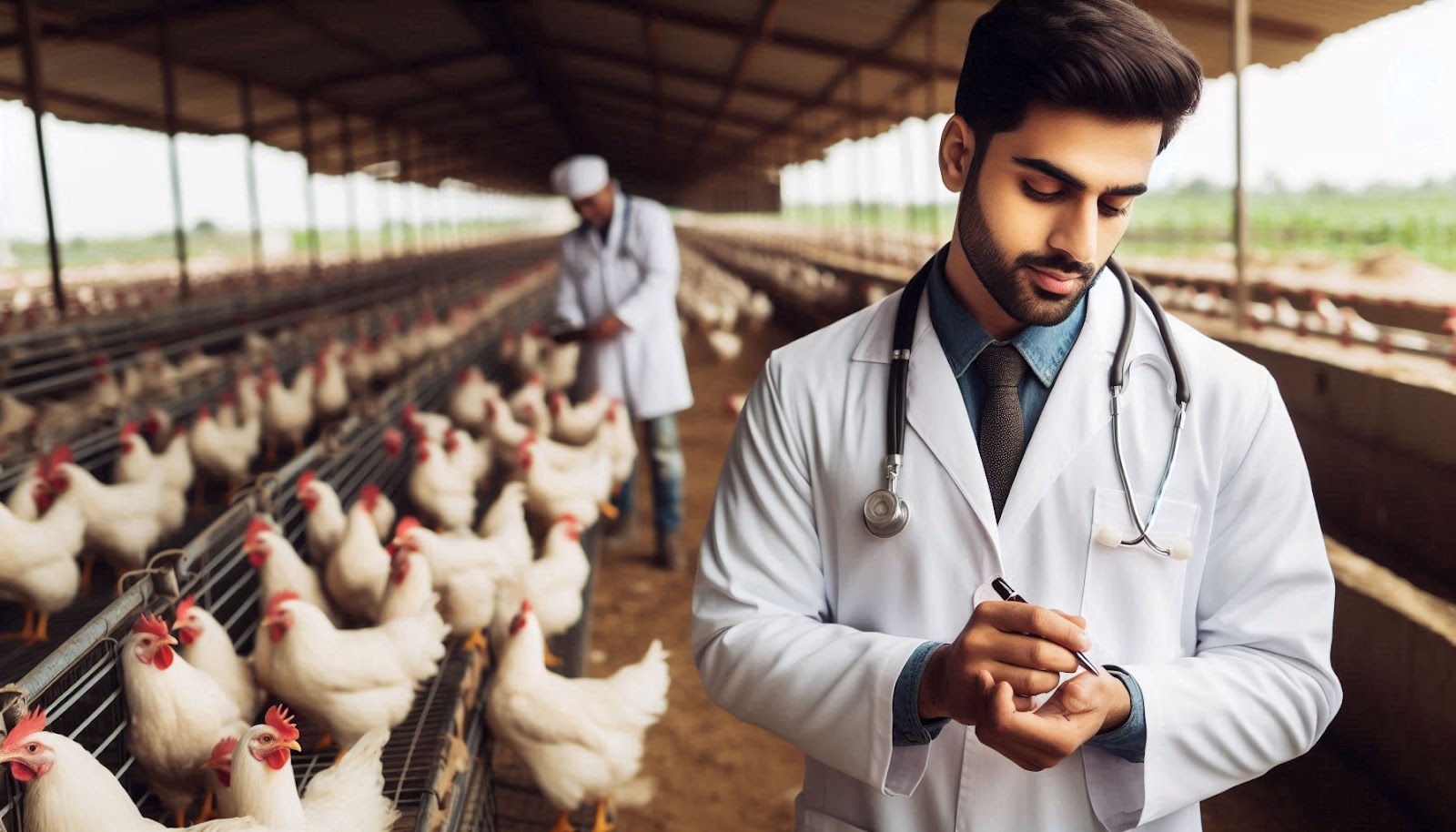
In the realm of poultry production, maintaining optimal health and productivity of the flock is paramount. The role of veterinary care in this context cannot be overstated. Veterinarians are crucial in ensuring the health, welfare, and productivity of poultry, making them an indispensable part of the poultry farming industry.  This blog will delve into the multifaceted importance of veterinary care in poultry production, highlighting its impact on disease prevention, health management, and overall productivity. Disease Prevention and Control One of the primary roles of veterinary care in poultry production is disease prevention and control. Poultry farms are susceptible to various infectious diseases that can spread rapidly and cause significant losses. Diseases such as avian influenza, Newcastle disease, coccidiosis, and salmonellosis can devastate a flock if not managed properly. Vaccination Programs Veterinarians play a pivotal role in designing and implementing vaccination prog...

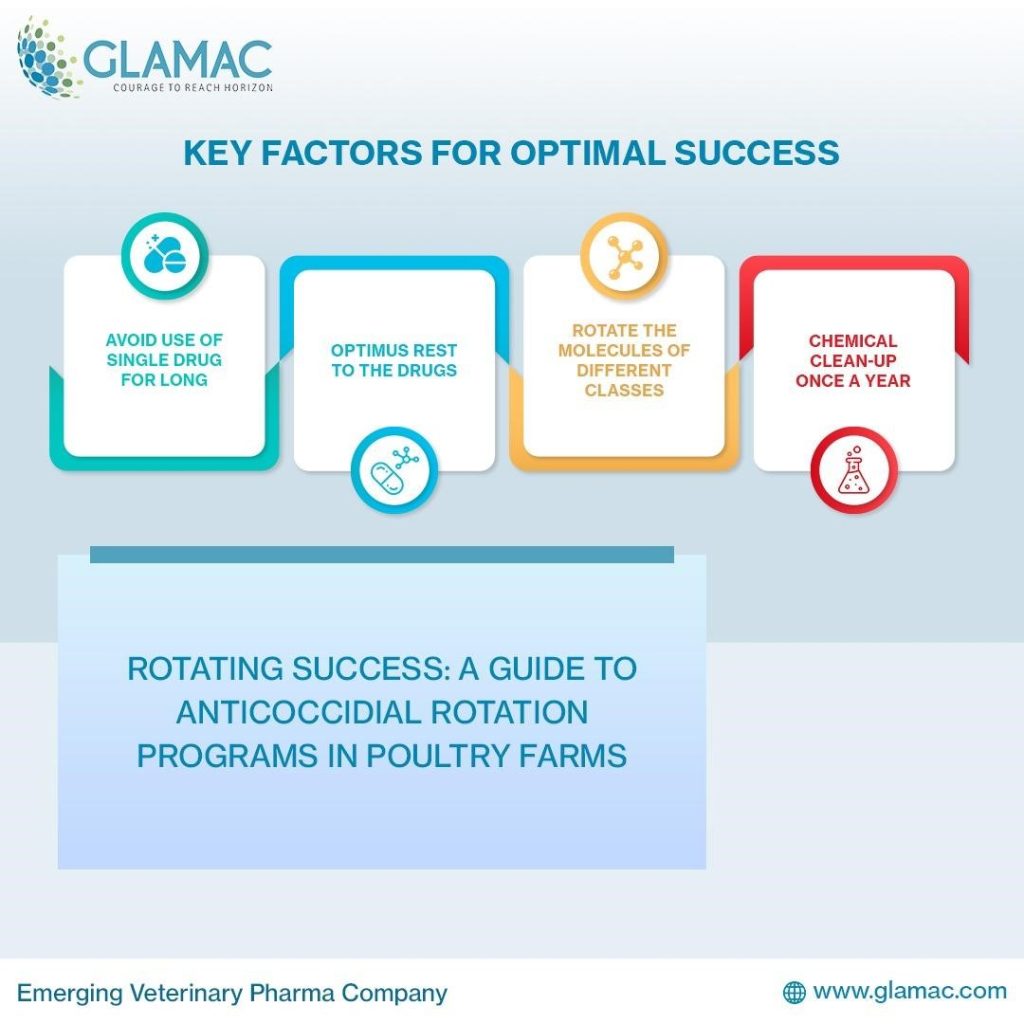
Know How the Anticoccidial Rotation Programs Helps to Improve Poultry Health

Image
In poultry farming, managing health challenges is critical to ensuring the success and productivity of your operation. One of the most significant issues that poultry farmers face is coccidiosis, a parasitic disease caused by protozoa from the genus Eimeria. This disease can cause intestinal damage, poor nutrient absorption, reduced growth, and even death in severe cases. To combat coccidiosis effectively, farmers must adopt comprehensive strategies. One of the most important approaches is the implementation of anticoccidial rotation programs.  These programs involve alternating the use of different anticoccidial medications or methods to control coccidiosis in poultry. In this blog, we will explore why anticoccidial rotation programs are important for poultry health and how they can benefit your flock. Understanding Coccidiosis in Poultry Coccidiosis is a pervasive disease in poultry that can affect birds of all ages but is most commonly seen in younger birds. It is caused by Eime...

NSP Enzymes vs. Traditional Feed Additives: A Comparative Analysis for Poultry Producers

Image
NSP enzymes and traditional feed additives both play crucial roles in poultry nutrition, yet they differ significantly in their mechanisms and benefits. Here's a comparative analysis to help poultry producers understand their respective advantages: 1. Digestive Function: - NSP Enzymes: NSP enzymes target non-starch polysaccharides (NSPs) present in poultry feed, breaking them down into simpler sugars. This improves digestibility, reduces gut viscosity, and enhances nutrient absorption. - Traditional Feed Additives: Traditional additives may include probiotics, prebiotics, organic acids, and antimicrobials. While they can promote gut health and microbial balance, they may not directly address the breakdown of complex carbohydrates like NSP enzymes do. 2. Nutrient Utilisation: - NSP Enzymes: By improving the breakdown of NSPs, NSP enzymes enhance the utilisation of nutrients, particularly in diets rich in fibrous ingredients like grains and by-products. - Traditional ...

The Ultimate Guide to Understanding Toxin Binders for Poultry Health

Image
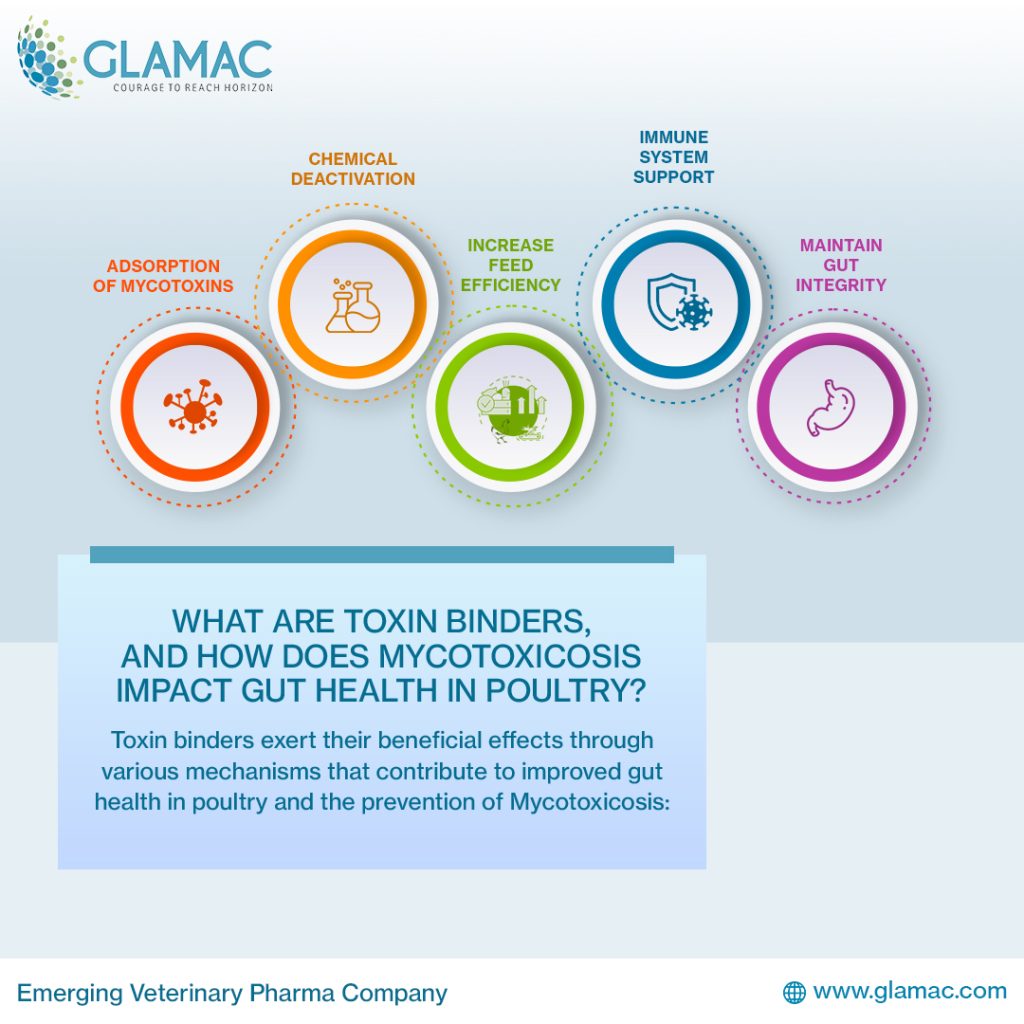
Poultry health is a cornerstone of successful farming, and one critical aspect often overlooked is the presence of mycotoxins in feed. Mycotoxins, produced by molds, can have detrimental effects on poultry, impacting growth, immune function, and overall well-being. To mitigate these risks, understanding and incorporating toxin binders into poultry nutrition is essential. What are Toxin Binders? Toxin binders, specifically designed for poultry, are feed additives formulated to neutralize and bind mycotoxins in the digestive tract. These binders act as a protective shield against the adverse effects of mycotoxin contamination in feed, ensuring the health and performance of the flock. The Importance of Toxin Binders for Poultry Health: 1. Mycotoxin Threats:    Mycotoxins are a constant threat in poultry farming, originating from contaminated feed ingredients. These toxins can lead to a range of health issues, impacting everything from growth rates to reproductive performance...