Posts

How Toxin Binders Work in Poultry: A Complete Guide for Farmers

Image
  Toxins in poultry feed are a major concern for farmers, especially in India where feed raw materials are often exposed to humidity and improper storage conditions.  These toxins, mainly mycotoxins produced by fungi, can severely affect poultry health and performance. This is where toxin binder for poultry plays a vital role. In this blog, we'll break down how toxin binders work , their types, benefits, and how to choose the right one for your farm. Whether you're raising broilers or layers, understanding toxin binders is essential for better flock health and profitability. What Are Mycotoxins and Why Are They Harmful? Mycotoxins are toxic compounds produced by certain molds, especially Aspergillus , Fusarium , and Penicillium species. They commonly contaminate maize, soybean meal, wheat, and other feed ingredients. Common mycotoxins include: Aflatoxins Ochratoxins T-2 Toxin Zearalenone Fumonisins Even at low levels, these toxins can lead to: Reduced feed intake Poor weight...
Natural Coccidiosis Prevention: Herbs and Supplements That Help

Image
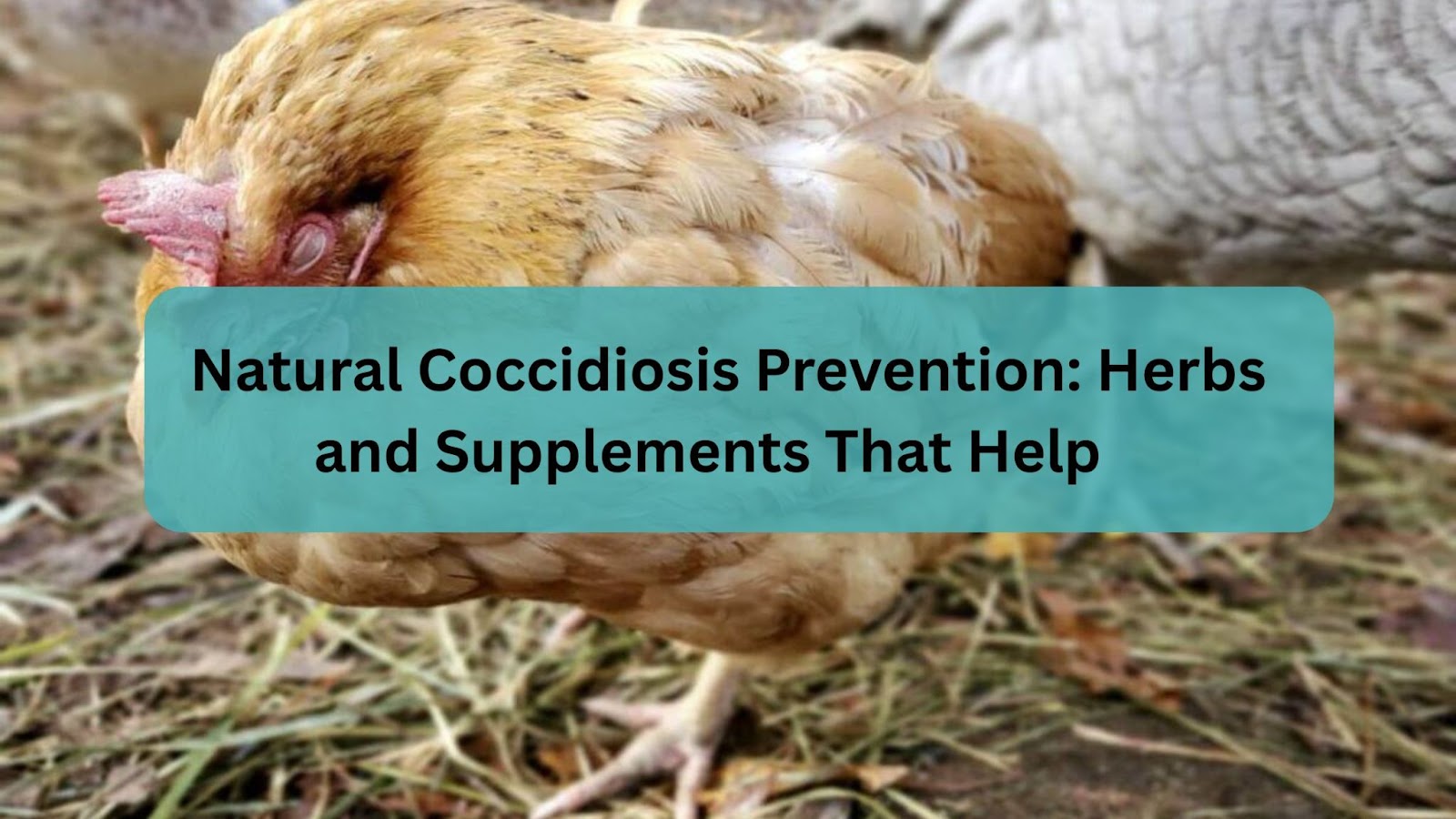
Coccidiosis in poultry is one of the most common and economically damaging diseases in poultry farming. Caused by protozoan parasites (Eimeria species), it attacks the intestinal lining of chickens, resulting in poor nutrient absorption, diarrhea, weight loss, and, in severe cases, death.  Traditional treatment often involves anticoccidial drugs, but growing concerns about drug resistance and residue in meat and eggs have led many poultry farmers to seek natural alternatives.   In this blog, we’ll explore natural coccidiosis prevention methods, focusing on herbs and supplements that are effective, safe, and practical for Indian poultry farms.   Understanding Coccidiosis in Poultry  Coccidiosis is an enteric disease that primarily affects the gut. The main symptoms include:   - Blood-tinged droppings   - Lethargy and reduced feed intake   - Ruffled feathers   - Poor weight gain   - High morbidity and, in seve...

5 Mistakes to Avoid in Poultry Waste Handling

Image
Effective poultry waste management is crucial for maintaining hygiene, preventing diseases, and ensuring environmental sustainability. Many poultry farmers, especially beginners, make mistakes that can lead to pollution, health hazards, and financial losses. Understanding these mistakes and how to avoid them can significantly improve waste management in poultry farms. 1. Improper Disposal of Manure One of the most common mistakes in poultry waste management is the improper disposal of manure. Manure is rich in nutrients and can be an excellent fertilizer, but if not handled correctly, it can become a source of contamination and disease. Common Issues: Dumping manure in open areas can lead to odor problems and attract pests. Runoff from manure piles can contaminate nearby water sources, leading to serious environmental issues. Direct application of fresh manure on fields without treatment can introduce harmful pathogens. Solution: Composting: Properly composting manure reduces harmful...