Posts

Chicken Diarrhea: How to Understand Causes by Watching Chicken Poop (A Practical Guide for Poultry Keepers)

Image
When you raise chickens, keeping an eye on their poop is an easy way to know if they are healthy or sick. It may sound strange, but chicken droppings can give clues about what is happening inside their body. One common problem many farmers see is chicken diarrhea . In this blog, we will explain what signs to look for, what different types of poop mean, and when to take action. This guide is simple so that even a beginner or a school student can understand. If you are a poultry farmer or keeping backyard chickens, this can help you keep your flock healthy. Why Does Poop Matter in Poultry? Chicken poop shows how well your birds are eating and digesting their food. If the poop is normal, your chickens are likely healthy. If it is loose or watery, it may be a sign of chicken diarrhea . Diarrhea is not a disease on its own but a sign that something is wrong. Watching the poop helps you take early steps before the problem becomes serious. A healthy chicken has firm brown droppings with a whi...

What Are Organic Acids and How Do They Impact Your Poultry Business?

Image
  In poultry farming, keeping your birds healthy and helping them grow well is very important. Farmers today are using smarter ways to improve poultry performance. One such method is using organic acids . You may have heard of them as acidifiers for poultry . These acids are natural, and when added to poultry feed or water, they help birds stay healthy and perform better. Let’s understand what organic acids are, how they work, and why they are important for your poultry business. What Are Organic Acids? Organic acids are weak acids that come from natural sources. Some common examples are: Formic acid Acetic acid Lactic acid Citric acid Propionic acid These acids are found in fruits, milk, and even in the body. In poultry farming, they are added to feed or water. When used this way, they are called acidifiers for poultry . Why Do Chickens Need Acidifiers? The gut (stomach and intestines) of chickens plays a big role in their health. If the gut is not healthy, birds can get sick, gro...

How Toxin Binders Work in Poultry: A Complete Guide for Farmers

Image
  Toxins in poultry feed are a major concern for farmers, especially in India where feed raw materials are often exposed to humidity and improper storage conditions.  These toxins, mainly mycotoxins produced by fungi, can severely affect poultry health and performance. This is where toxin binder for poultry plays a vital role. In this blog, we'll break down how toxin binders work , their types, benefits, and how to choose the right one for your farm. Whether you're raising broilers or layers, understanding toxin binders is essential for better flock health and profitability. What Are Mycotoxins and Why Are They Harmful? Mycotoxins are toxic compounds produced by certain molds, especially Aspergillus , Fusarium , and Penicillium species. They commonly contaminate maize, soybean meal, wheat, and other feed ingredients. Common mycotoxins include: Aflatoxins Ochratoxins T-2 Toxin Zearalenone Fumonisins Even at low levels, these toxins can lead to: Reduced feed intake Poor weight...

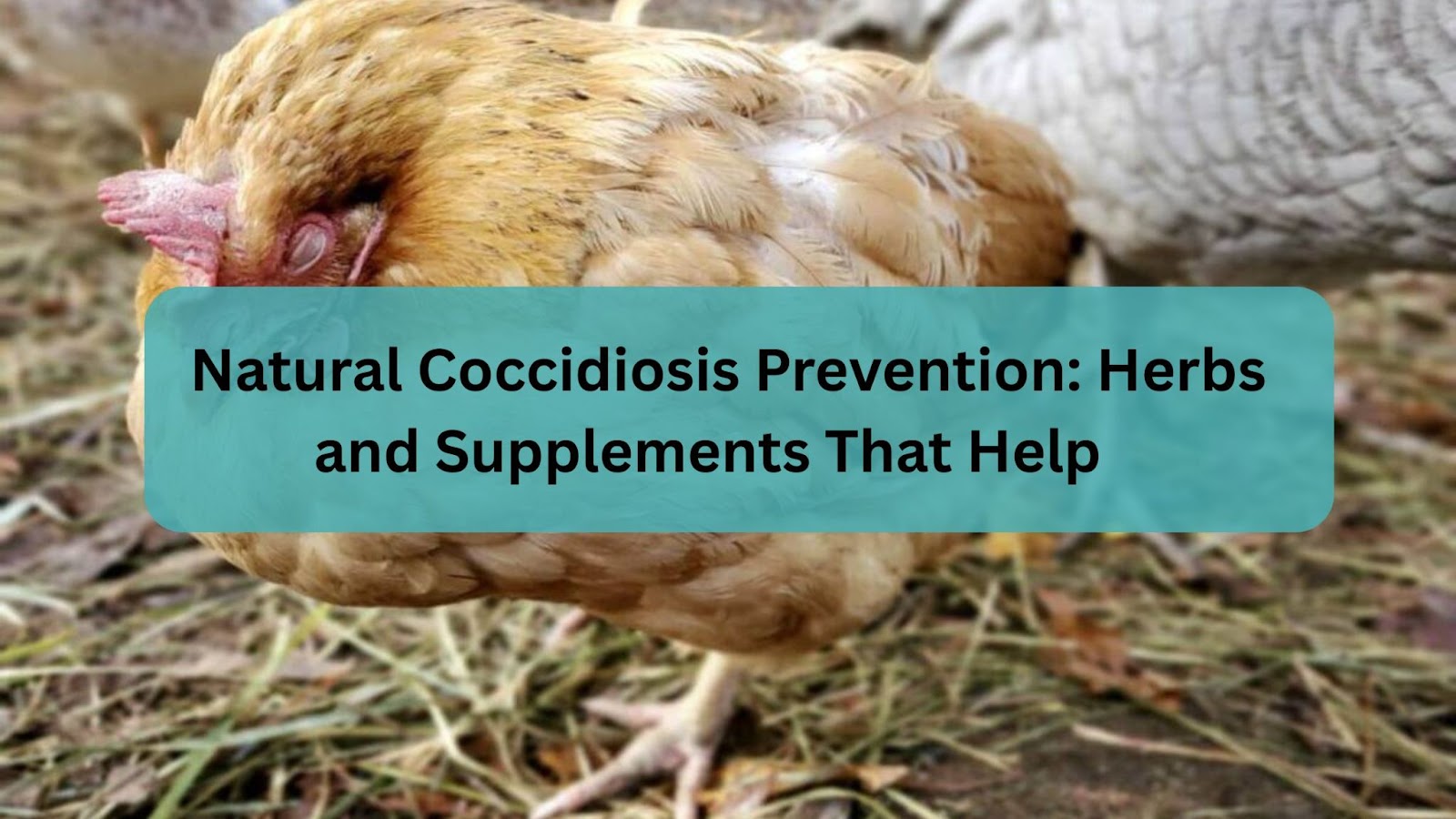
Natural Coccidiosis Prevention: Herbs and Supplements That Help

Image
Coccidiosis in poultry is one of the most common and economically damaging diseases in poultry farming. Caused by protozoan parasites (Eimeria species), it attacks the intestinal lining of chickens, resulting in poor nutrient absorption, diarrhea, weight loss, and, in severe cases, death.  Traditional treatment often involves anticoccidial drugs, but growing concerns about drug resistance and residue in meat and eggs have led many poultry farmers to seek natural alternatives.   In this blog, we’ll explore natural coccidiosis prevention methods, focusing on herbs and supplements that are effective, safe, and practical for Indian poultry farms.   Understanding Coccidiosis in Poultry  Coccidiosis is an enteric disease that primarily affects the gut. The main symptoms include:   - Blood-tinged droppings   - Lethargy and reduced feed intake   - Ruffled feathers   - Poor weight gain   - High morbidity and, in seve...